Where does all your money go? A guide to understanding the patterns behind your spending
Does your perception of what you spend really match up to reality? Here's how to take a closer look at your expenses, track your spending habits and understand the often-unconscious behaviours and emotions influencing your decisions.
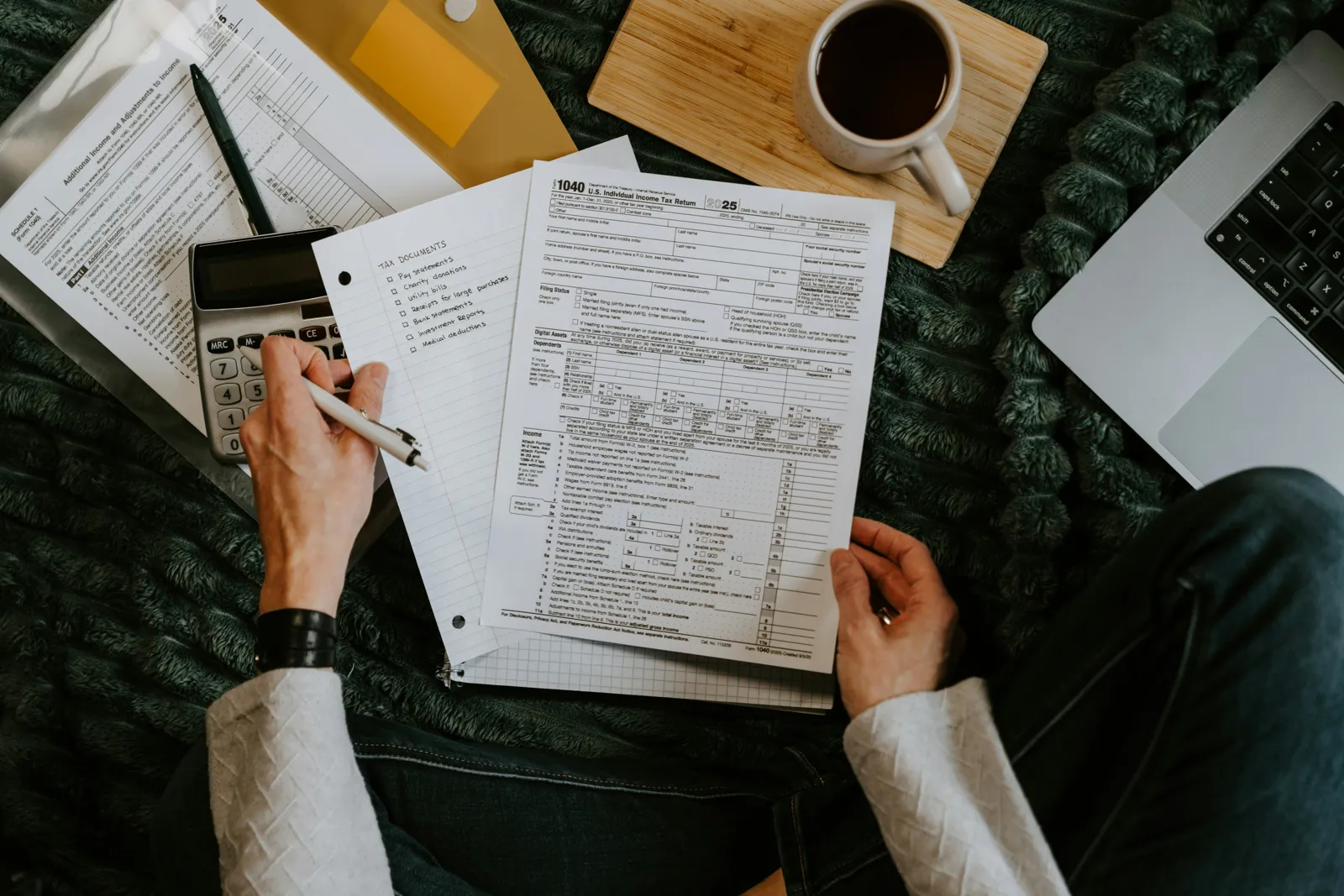
We all have a general idea of where our money goes each month. We know what our biggest expenses are, what we tend to spend on and roughly how much we have left over. But how accurate is that picture, really?
A study published in the Journal of Marketing Research found that almost two-thirds of participants underestimated how much they would spend over the course of a month, with their estimates falling an average of 15.5% short of their actual expenses.
And yes, it really is that easy to lose track of where your money goes. From everyday purchases and last-minute deliveries to forgotten subscriptions and additional costs, smaller expenses can slip under the radar. Individually, they might seem insignificant, but over weeks and months, they can add up to a surprising amount.
And because we're often more conscious of larger purchases than smaller, everyday transactions, our perception of what we spend doesn't always match reality.
The best way to understand your spending habits is to stop guessing and take a closer look at where your money is actually going.
Get a clearer picture
Start by reviewing your bank and card transactions over the past three months. Looking at a 90-day period rather than a single month gives you a better sense of your usual spending, including expenses that don't necessarily occur every month.
Group your transactions into broad categories, such as housing, groceries, transport, dining out, shopping, entertainment and subscriptions. This makes it easier to see which areas account for most of your spending and whether there are any surprises.
Remember to account for transfers between your own accounts, credit card payments and refunds so that you're not accidentally counting the same money twice.
Look for the patterns
Once you have a clearer picture of your spending, look beyond the totals. The aim is to understand not just what you're spending, but the situations and circumstances that are influencing those decisions.
Are there subscriptions or memberships you're still paying for but rarely use? Do you regularly pay extra for convenience, whether that's food delivery, taxis or last-minute purchases? Are certain expenses noticeably higher at particular times of the month?
You might also notice that your spending increases in response to certain circumstances. Perhaps you tend to order takeaways when work gets busy, shop more when you're feeling stressed or spend more freely when you're travelling. These patterns can reveal how your routines, environment and emotions influence your financial decisions.
Research suggests this influence may be more significant than we realise. In a 2025 survey, 63% of Americans said their emotions had influenced their spending, with almost three-quarters of those respondents saying it had led them to overspend.
It's also worth paying attention to expenses that don't happen every month. Annual renewals, birthdays, car repairs and family occasions might feel unexpected when they arrive, but they're often predictable enough to plan for. If they keep catching you off guard, your monthly budget may not be accounting for the full picture.
Small changes, meaningful differences
Understanding your spending isn't about scrutinising every purchase or cutting out everything you enjoy. It's about recognising where your money is going and deciding whether those expenses reflect what matters to you.
If you discover that you're spending more than expected on food delivery, for example, the answer might not be to stop ordering altogether. It could be as simple as planning a few easy meals for evenings when you're short on time or energy.
Start by identifying one recurring expense you could do without, one irregular cost you need to prepare for and one spending habit you'd like to change.
Your spending history is an opportunity to understand your habits more clearly, so you can make more deliberate decisions about what you spend on next.

Anna K
Financial Education Writer
Anna writes NOW's guides on budgeting, saving, retirement and investing basics. She turns complex money topics into clear, practical steps, and every guide she writes is checked for accuracy before it's published. Her articles are for education only and are not personal financial advice.

Reviewed by Emma R, Head of Content & Financial Education
For education only. Not personal financial advice. This article explains how things work; it does not recommend what you should do.